METHOD GUIDE / UPDATED 2026-07-22
Indoor Perovskite Energy Harvesting for Low-Power IoT
Indoor harvesting is an assessment method for reducing battery dependence in low-average-power devices, not a blanket promise of continuous power. Illuminance, collector area, lighting duration, storage and duty cycle must be evaluated together.
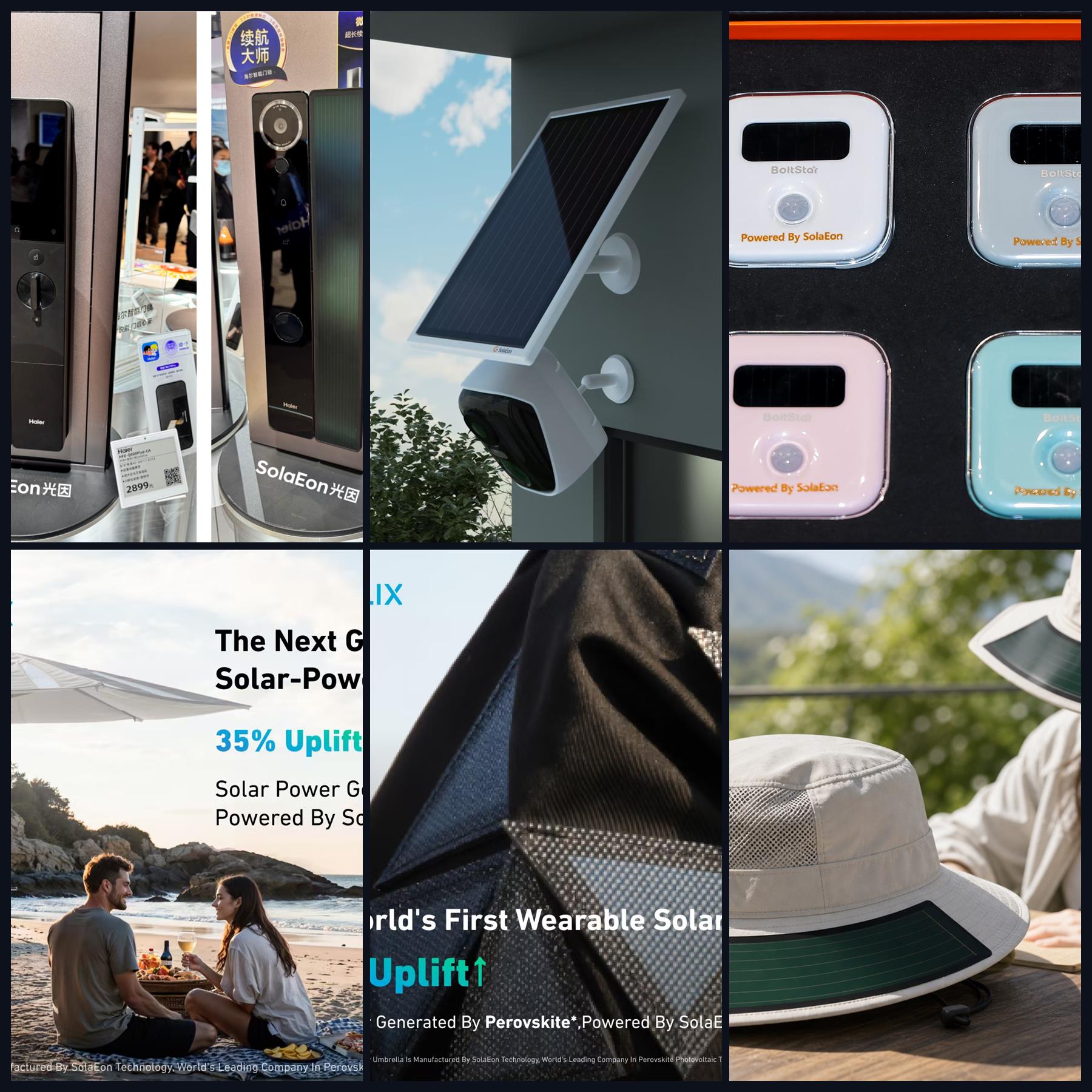
Measure five conditions first
| Variable | Why it matters |
|---|---|
| Illuminance and spectrum | Light source, placement and lighting schedule determine the energy input. |
| Effective collector area | Visible area, shading and orientation affect usable collection area. |
| Effective lighting duration | Use real operating hours instead of assuming all-day light. |
| Storage and power management | Storage buffers dark periods and communication peaks but introduces losses. |
| Device duty cycle | Standby, sensing, display and radio transmissions determine average demand. |
How to make an initial budget
Estimate daily available energy from maximum power, effective daily lighting duration and system efficiency, then compare it with device daily consumption. Use the indoor energy harvesting calculator to explore the inputs.
Public references and boundaries
- UCL News reports indoor perovskite research progress; research-device results are not production-product specifications.
- Perovskia Solar identifies indoor directions including electronic shelf labels and smart-home applications.
Frequently asked questions
Can indoor light power IoT devices?
Indoor energy harvesting can be assessed for low-average-power, intermittent devices. Feasibility depends on illuminance, collector area, storage and device duty cycle.
Can an energy estimate replace prototype testing?
No. Spectrum, shading, installation, power management, encapsulation and device behavior affect actual results.